Purpose: To make sure people who face additional barriers can take part in digital learning and gain practical skills that support independence, participation and livelihood opportunities.
Some people are left out of digital training because of disability, poverty, limited schooling, age, caring responsibilities, lack of devices or the cost of transport and data. Digital Inclusion works with people who experience these barriers and helps them access training that is suitable for their needs and circumstances. We consult participants about what they want to learn and adapt the pace, materials and training arrangements where possible.
In the field
What this work looks like
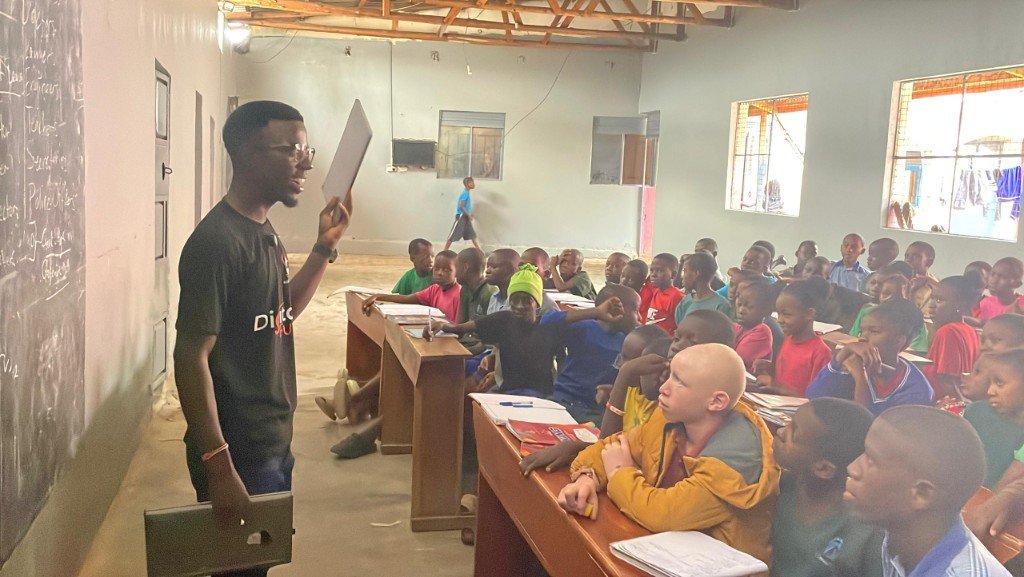
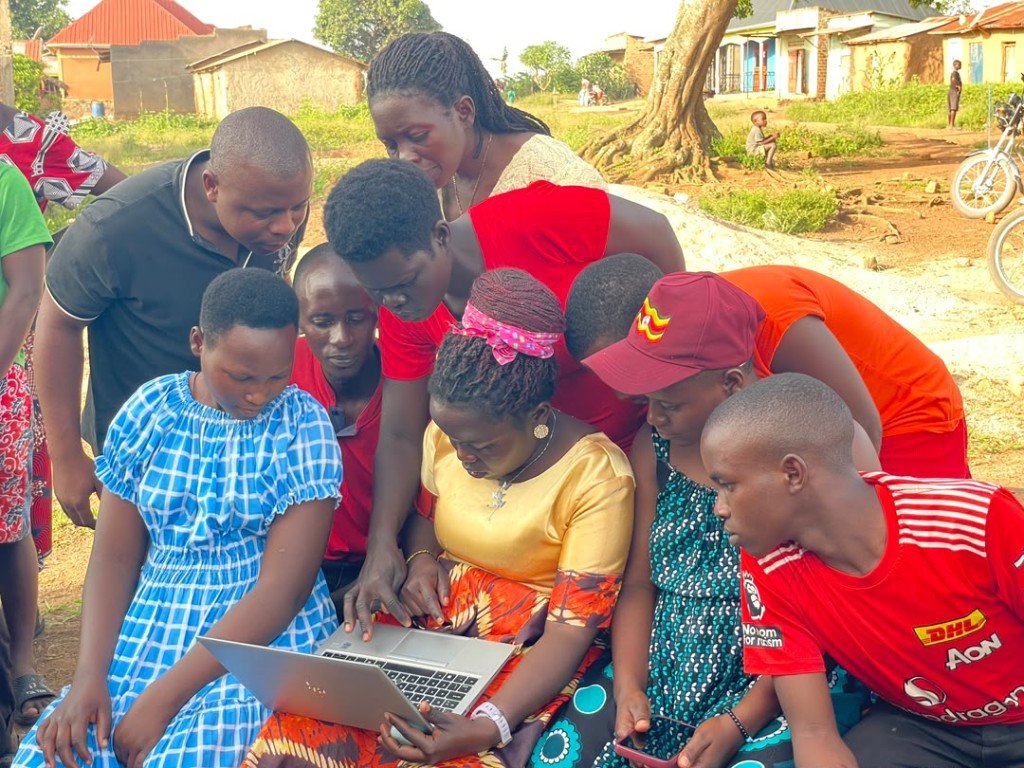
Inclusive classroom learning that welcomes every child into digital skills.Inclusive digital learning with youth and community participants.
Who we work with
Persons with disabilities, young and teenage mothers, women and girls who have limited access to training, out-of-school children and youth, unemployed young people, people from low-income households and other community members who face barriers.
Skills and practical activities
Basic computer and smartphone use, internet access, email and digital safety.
Typing, document preparation, word processing, spreadsheets, presentations and basic office tasks.
Graphic design using accessible tools to create posters, flyers, invitations, business cards and social media materials.
Document preparation and stationery-related skills, including formatting, layout, printing preparation and scanning where equipment is available.
Digital communication and marketing: taking product photographs, preparing promotional messages, communicating with customers and using social media responsibly.
Small-business digital skills: simple sales and customer records, product presentation, basic digital bookkeeping tools and online promotion.
Further skills selected with participants, such as data entry, content creation or introductory coding, depending on interest, accessibility and available trainers.
How we support participation
We talk with participants, families and relevant community organisations to understand barriers and identify suitable training.
We consider accessible venues, communication needs, assistive tools, learning pace and the need for additional support.
We provide time for participants to practise real tasks and complete examples of their work.
Where appropriate, we help participants prepare a small portfolio of designs, documents or other work they can show to a potential client, employer or training provider.
We share information about further learning, mentorship, business support and work opportunities when reliable connections are available.
What we do and do not promise
Our role is to provide access, training, practice and guidance. We do not promise that attending a course will automatically lead to a job or income. We want participants to leave with skills they can use and a clearer understanding of possible next steps.
Who this is for
Persons with disabilities
Young and teenage mothers
Women and girls who have limited access to training
Out-of-school children and youth
Unemployed young people
People from low-income households
Other community members who face barriers
How it connects
Digital Inclusion makes learning accessible to people facing barriers and supports practical skills development. It works alongside Digital Learning and Digital Rangers, and connects with AbleSpace where persons with disabilities need visibility and pathways to support. A woman who wants to learn graphic design may join either SheTech or Digital Inclusion training.
We take opportunities to the people
Explore the rest of our programmes and projects, or get in touch about a school or community visit.